Getting to know Byoung Soo Cho
Byoung Soo Cho: Earth Works
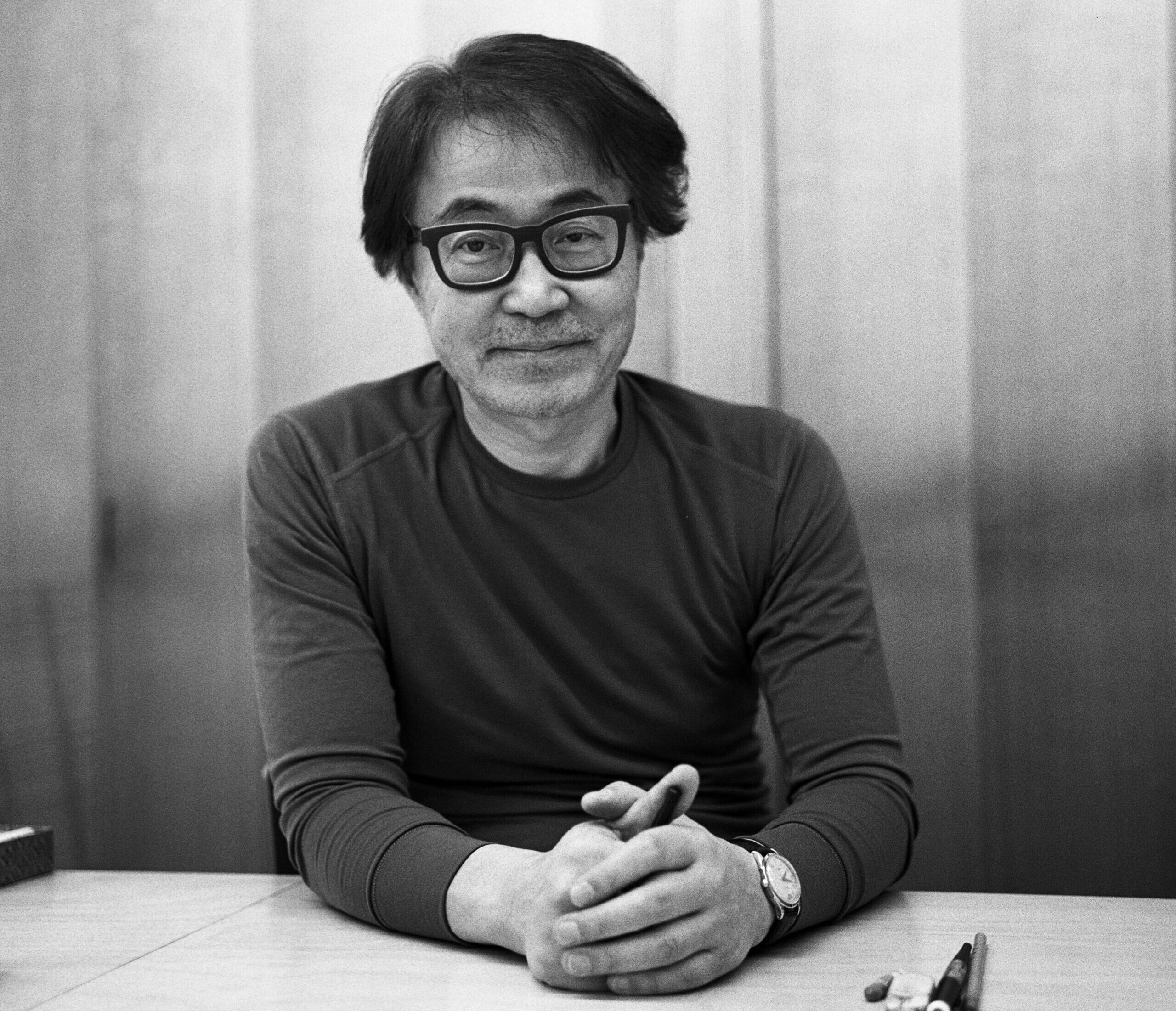
This June, The Coronet Theatre is delighted to present a major UK exhibition by Byoung Soo Cho, one of Korea’s most influential architects and a quietly radical voice in contemporary art and design. Read on to find out more about Byoung Soo’s life, his architectural work, and his return to his roots in art.
Since founding his practice BCHO Architects Associates in Seoul in 1994, Byoung Cho has built a reputation as the key architect driving the expansion of one of the world’s most densely populated cities. Influenced by Korea’s rich aesthetic tradition, Cho utilises understated forms to design buildings that yield powerful and subtle experiences for their inhabitants, with a strong regard for nature and sustainability.
Born in 1957 in the mountainous northern Seoul, Cho grew up in a hanok, a traditional Korean house. Often referred to as ‘houses that breathe’, hanok is based on the feng shui ideal of having a mountain behind the house and a river in front, it is laid out in square, L shaped, or I shaped formations, depending on the climate. Hanok is made with raw materials like clay, wood and stone. Inside, doors and windows are covered with hanji, traditional paper made from mulberry bark. Sky, water, wind and earth were accessible to him: sitting in the maru (an open style living room that connects rooms and serves as a space for entertaining) or hanging out in the open air courtyard (madang) he would gaze at the stars at night and cherish the feeling of connectedness with his surroundings. It is not surprising that the signature elements of Cho’s architecturals projects are inspired by the classical, natural forms found in the hanok – the grids of wooden framed paper doors and windows, the clean lines of the tiled roofs and beams, the purity of materials.
Cho’s journey in architecture began at MSU, where he was deeply influenced by the simplicity of rural barns and warehouses in the rural landscape of Montana. His studies continued with a master’s degree at Harvard University, where readings of Mark Twain’s What Is Man? and Laozi’s Tao Te Ching sparked his fascination with the emotional, intuitive sides of architecture and art. At a time when modern architecture was facing criticism for its rigid rationalism, Cho embraced a more humanistic approach, blending Taoist and Korean philosophies into his work. He felt the need for architecture that wasn’t merely photogenic but human centred, therefore connected with nature. Inspired by the comforting simplicity of Korean architecture, lacking any excess, and able to harmonise effortlessly with its environment, Cho became motivated to pursue an “experiential architecture” that transcends any visual aesthetic.
In 1994, Cho returned to Seoul to establish Byoung Soo Cho Partners (BCHO). The firm started as a design-build practice, focusing on simple structures that engage directly with nature. Cho and his team closely collaborate with artisans across disciplines, including stone masons, woodworkers, and potters, producing buildings that are meticulously crafted rather than merely constructed. Cho believes that “buildings, furniture, and art are made, not created.” This philosophy emphasises the significance of process, where each architectural project explores light, space, and the raw beauty of materials, rejecting the notion of “beauty” for its own sake in favour of a bolder, more authentic approach.
Take a look at some of BCHO’s projects below. The article continues afterwards.
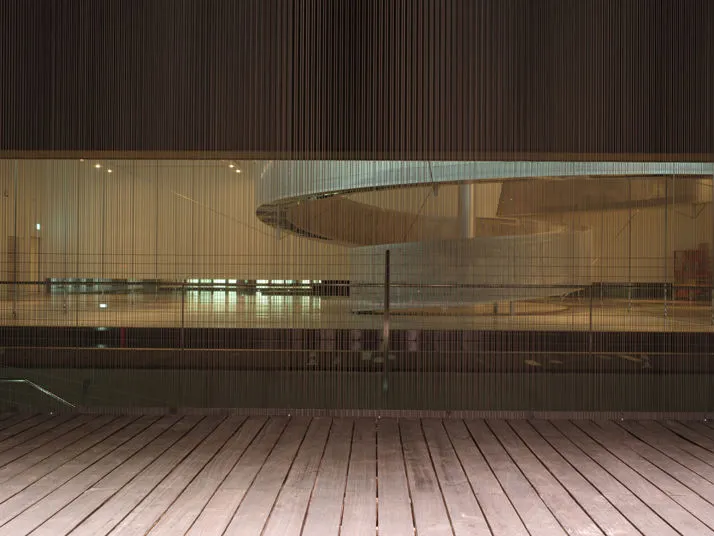 Kiswire Wire Center
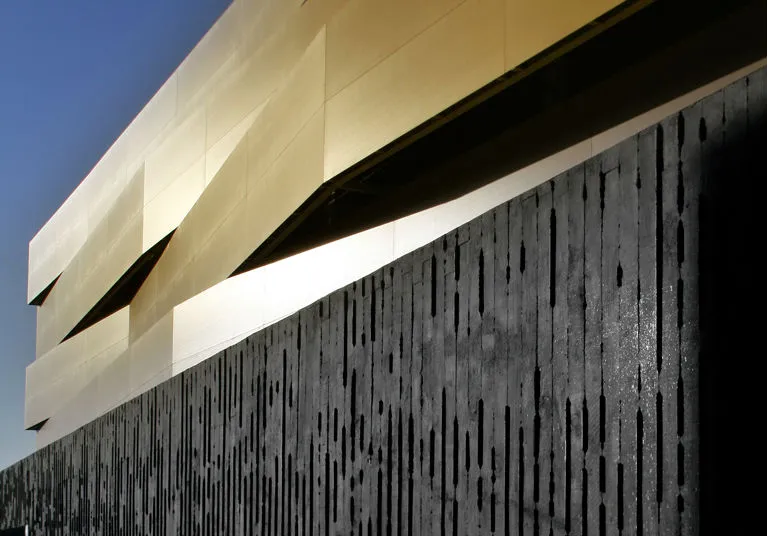 Heyri Theater
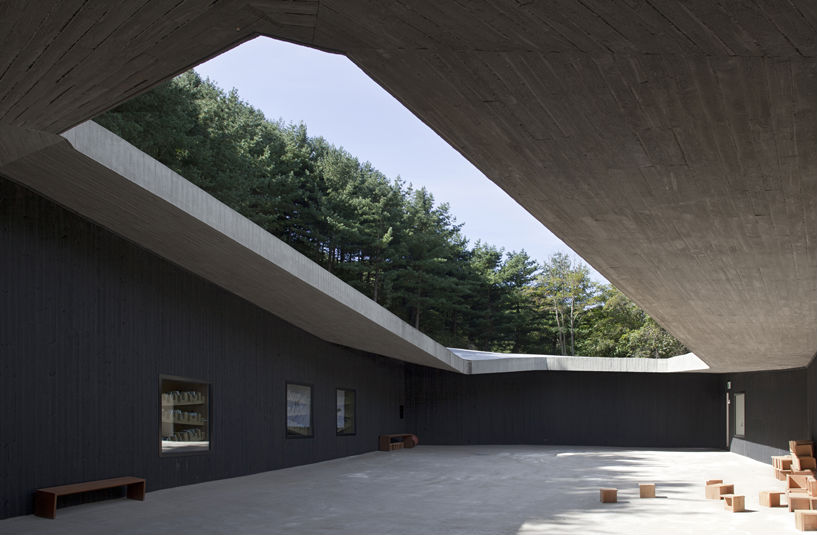 Oisoo Gallery
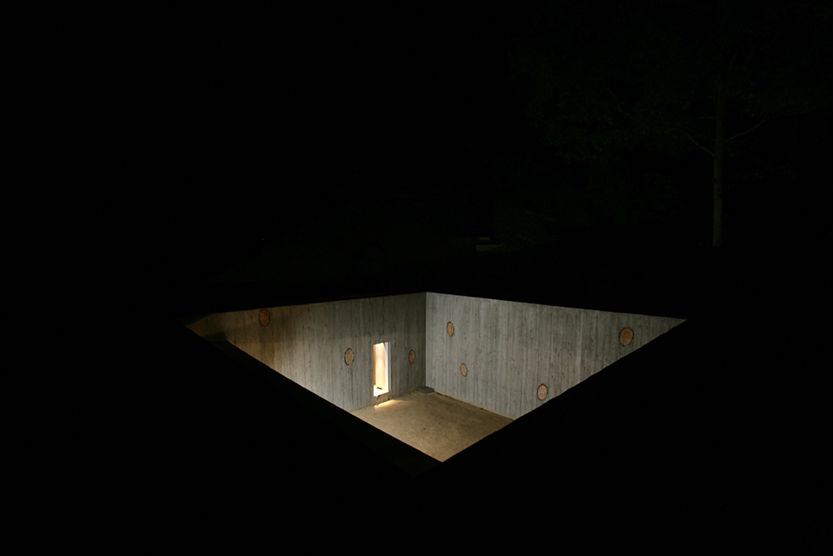 Earth House
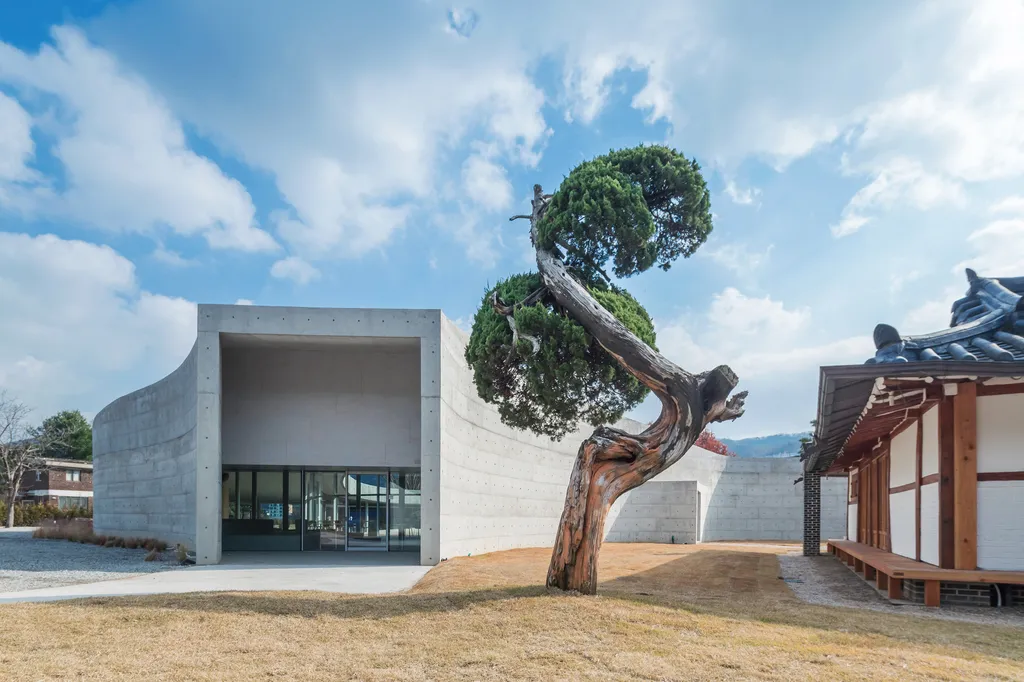 AYU Space
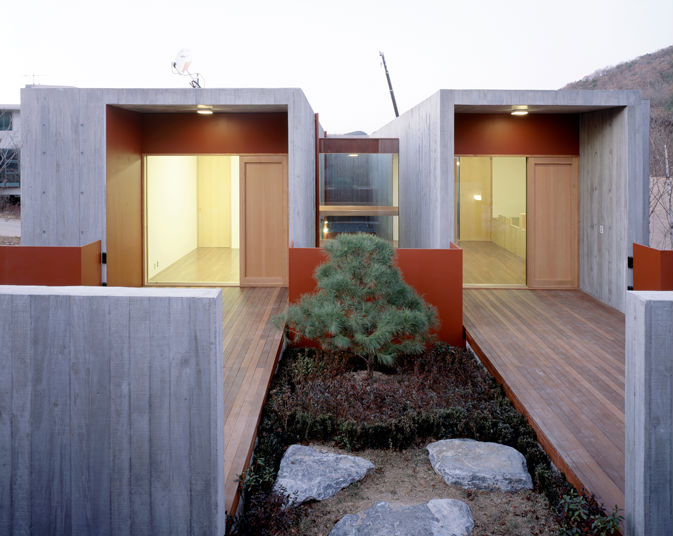 2 Box House
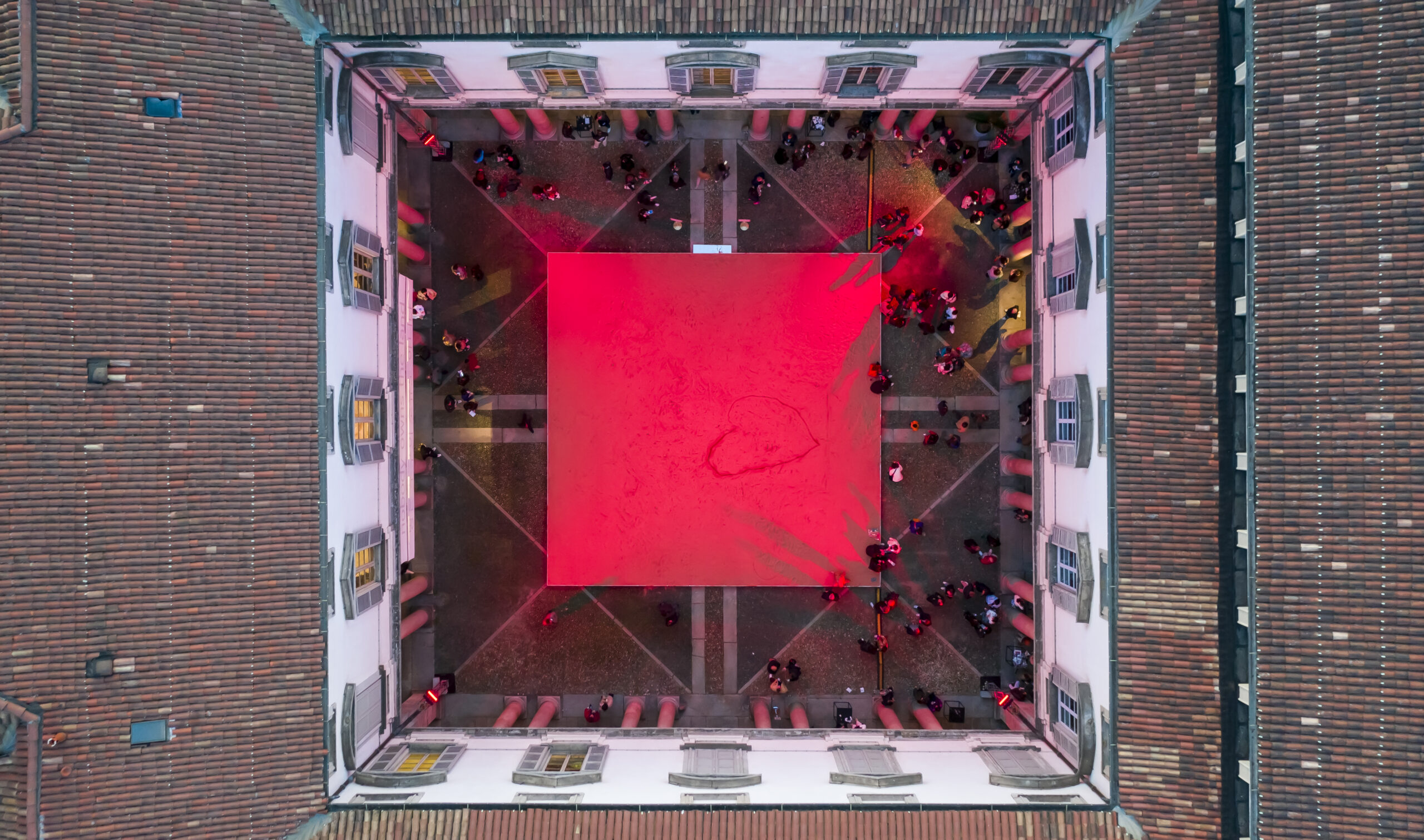
Over the past 30 years, BCHO Partners has established itself as a leading architectural firm in South Korea, with projects like the Hyundai Cheonan Global Learning Center, Namhae Southcape, and Jipyeong Guesthouse, which showcase a “sophisticated but rough touch.” Cho’s work has garnered numerous accolades, including the AIA Honor Award (2003, 2013), the Kim Swoo Geun Architectural Award (2010), and international awards such as the Red Dot Award and iF Design Award (2021). Cho has also been a prominent academic voice, teaching at institutions like Montana State University and Harvard, and serving as General Director for the last Seoul Biennale of Architecture and Urbanism (SBAU) in 2023.
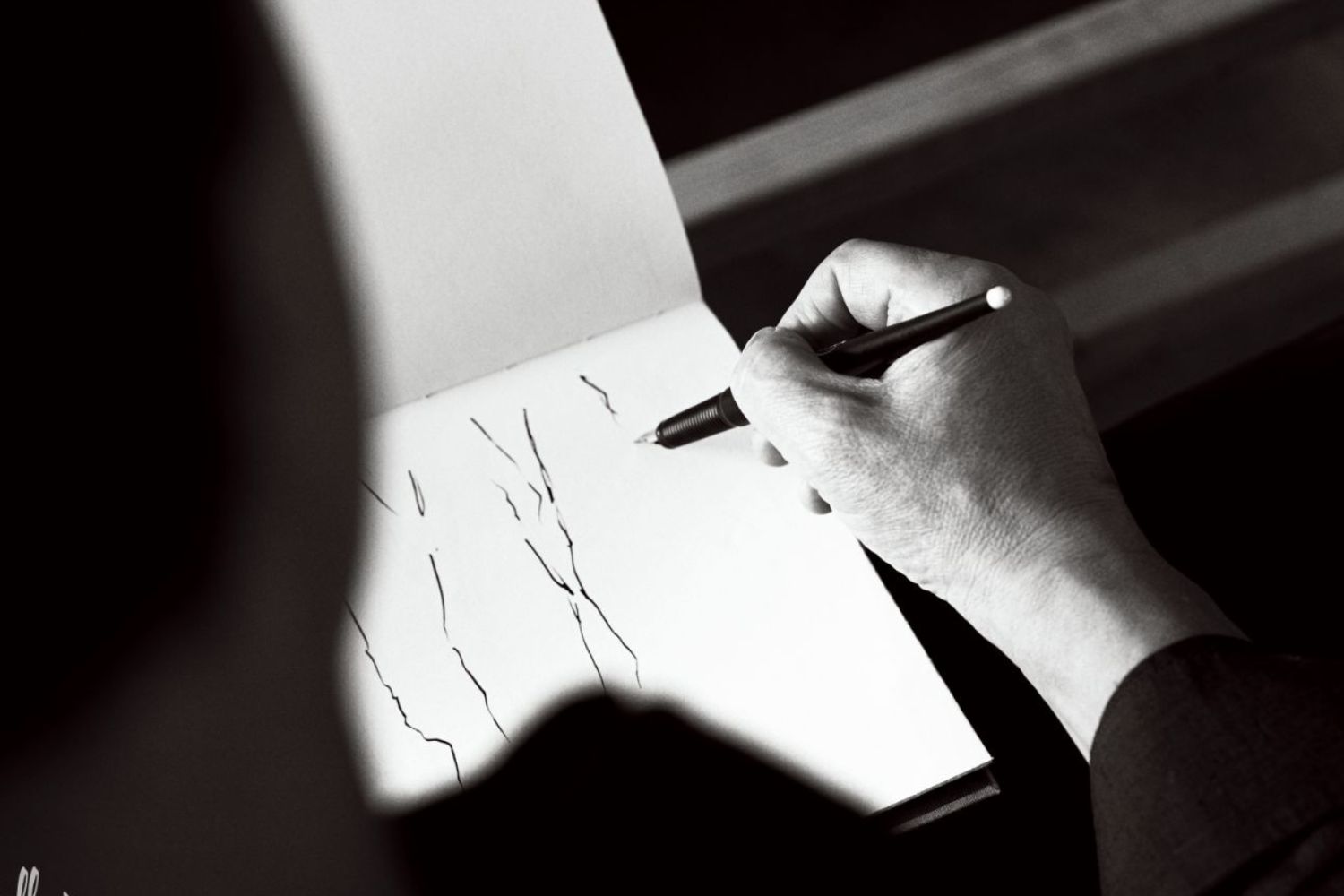
In his recent years, Cho has returned to his roots in art, dedicating time to his studio practice. Inspired by the ‘maksabal’, a traditional Korean ceramic with a rough, unfinished appearance, Cho developed the concept of “mahk,” a spontaneous, humble approach to creation that he applies to both his paintings and his architecture. In his art, he explores organic shapes through brushstrokes on rice paper, capturing movement and energy, much as he seeks to capture moments of experience in his architectural work. His painting process is, as he describes, “guided by spontaneous action,” similar to how he approaches each architectural project with openness and a willingness to embrace imperfection.
Earth Works is open from Fri 29 May – Sat 6 Jun. Find out more here.