The House of Brecht
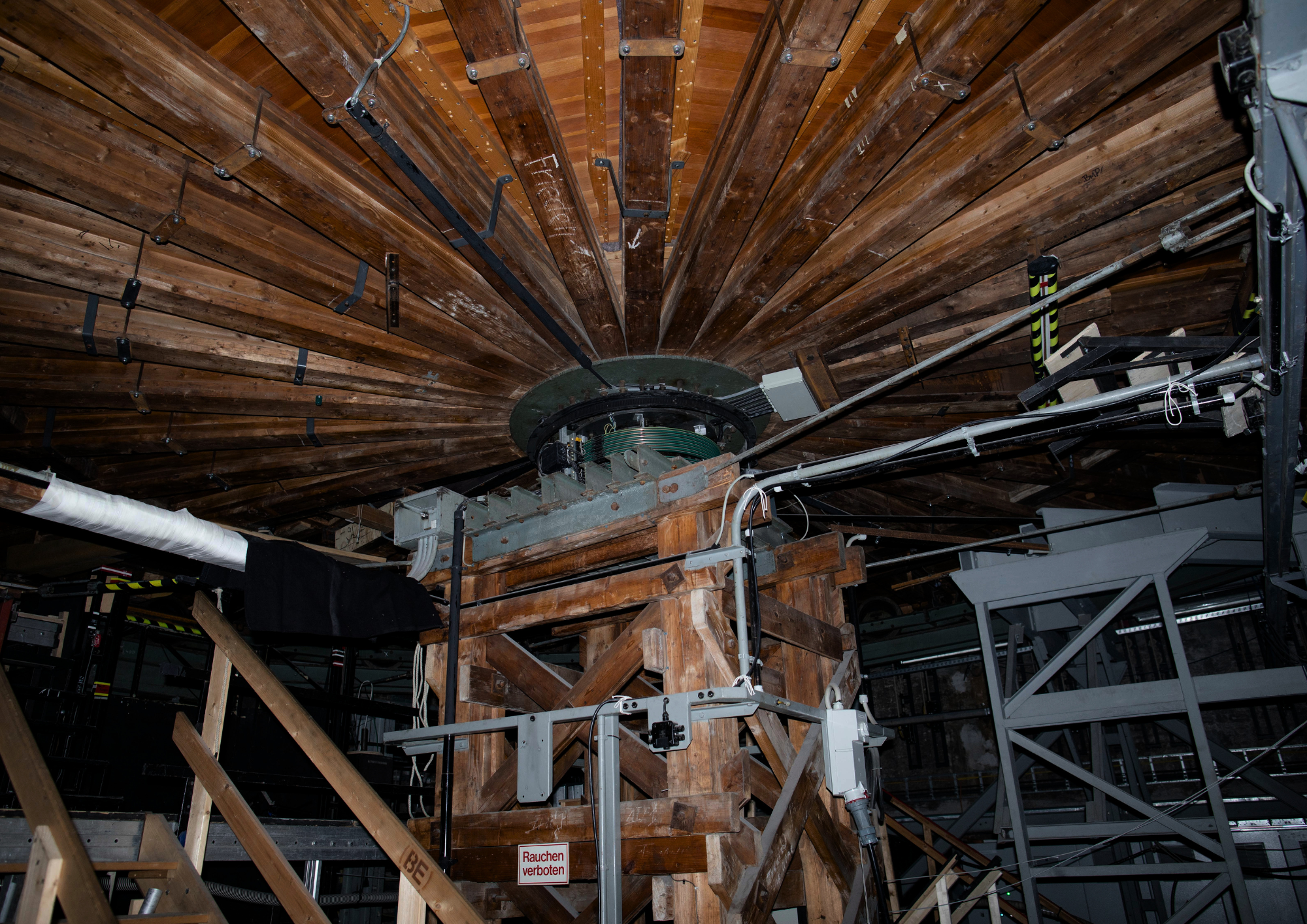 A glimpse beneath the stage at the Berliner Ensemble in Berlin.
Oscar Wilde’s prison letter comes to life at The Coronet this October
The Berliner Ensemble’s revolving stage once rotated on thirty-two wheels taken from a Soviet tank. When the company moved into its Berlin home in 1954, Helene Weigel persuaded the Soviet occupying forces to donate wheels from a T-34, which were installed beneath the stage and remained there for decades. It is a fitting detail for a theatre built on the belief that the machinery of performance should never quite disappear from view.
Berliner Ensemble was founded in 1949 by playwright Bertolt Brecht and Weigel, his wife and one of the company’s leading actors, in a divided, war-damaged Berlin. Their ambition was to create a theatre that made audiences think rather than simply feel.
Its home already had its own remarkable history. The Theater am Schiffbauerdamm had staged the world premiere of The Threepenny Opera in 1928, the greatest theatrical success of the Weimar Republic, more than two decades before the Berliner Ensemble arrived. Picasso’s dove of peace still hangs in front of the curtain today.
The company built its reputation on rigorous attention to detail. Rehearsals could run for months, pursuing a precision that helped make its productions celebrated far beyond Berlin. In 1954, The Caucasian Chalk Circle famously received fifty-two curtain calls. That tradition continues under Oliver Reese, artistic director since 2017, who brings the Berliner Ensemble to London this October.
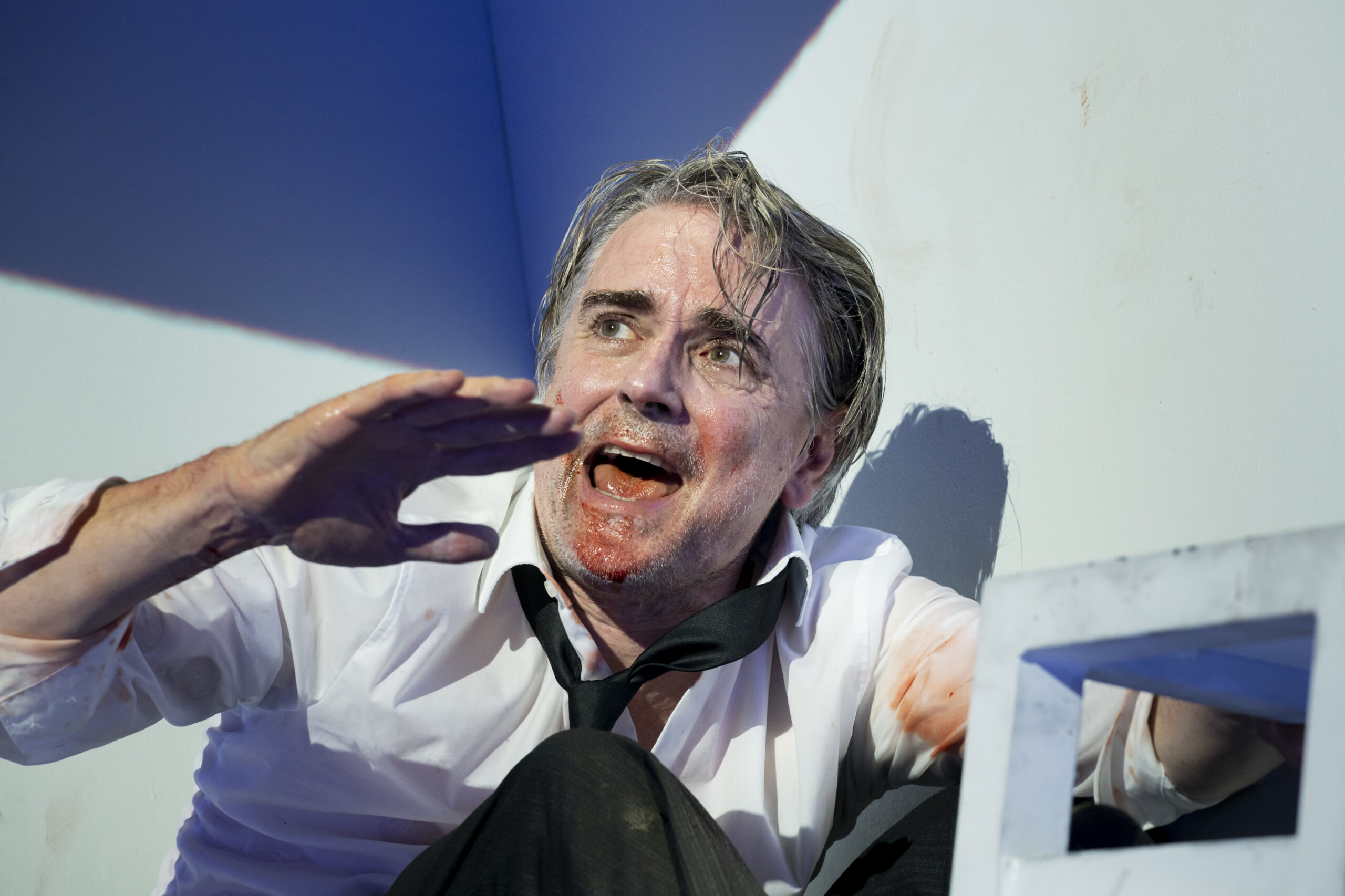
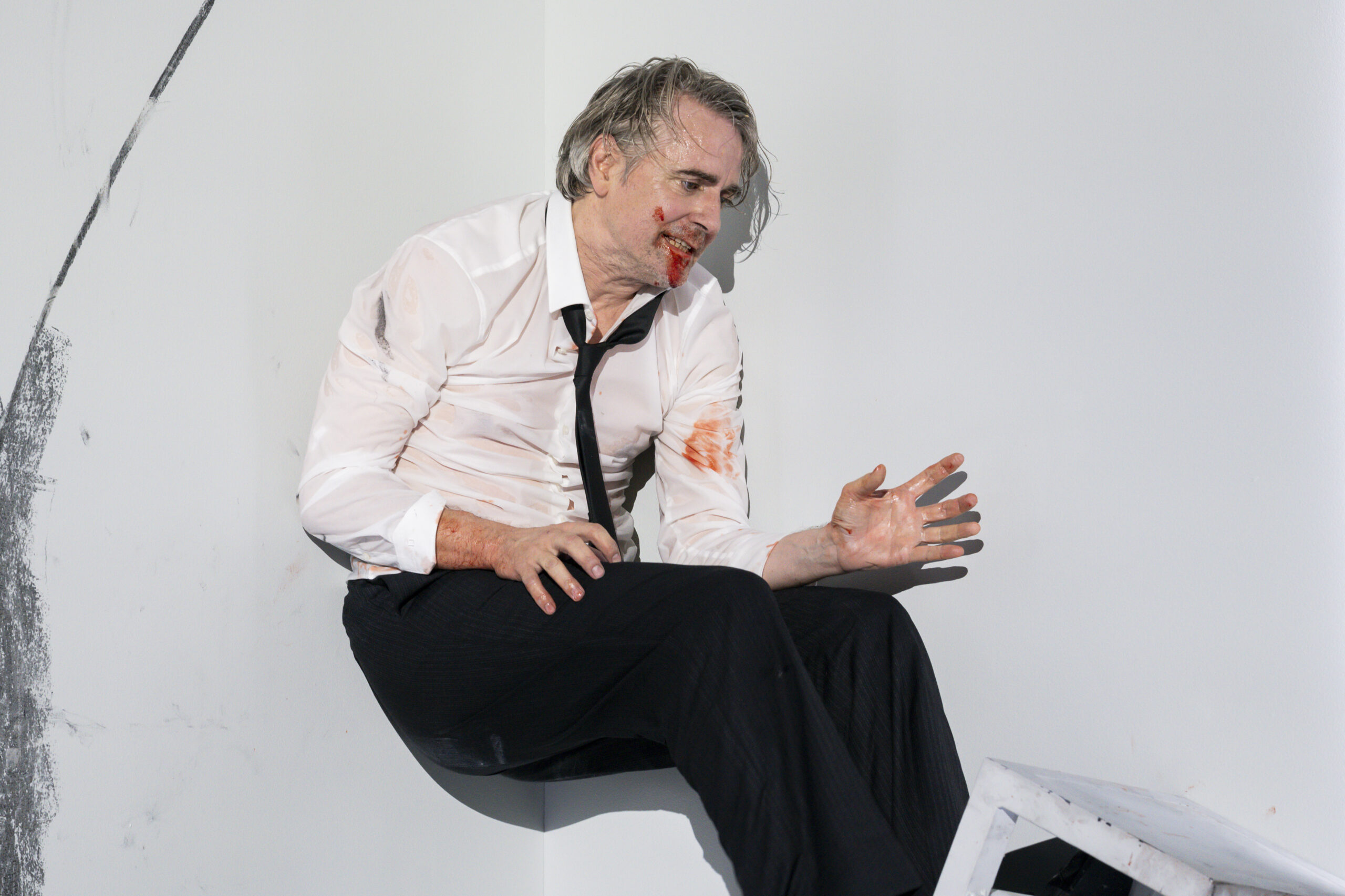
At The Coronet, Reese directs the UK premiere of De Profundis, drawn from one of Oscar Wilde’s most personal and extraordinary works.
In 1895, at the height of his fame, Wilde was sentenced to two years’ hard labour after being convicted of gross indecency because of his relationships with men. From his cell in Reading Gaol, he wrote a letter of some fifty thousand words to his former lover, Lord Alfred “Bosie” Douglas. It was first published posthumously in an abridged form under the title De Profundis – “from the depths”.
Reese pares Wilde’s text back to its emotional core, setting aside its reflections on art to focus on love, anger, betrayal and pain. Alone on stage for one hundred minutes, Jens Harzer – holder of the Iffland-Ring, regarded as the highest honour in German theatre – performs within a box that becomes both cell and coffin.
From that confinement, Wilde’s voice emerges: wounded, furious, searching and startlingly alive.