Uccellini: The Place of the Living
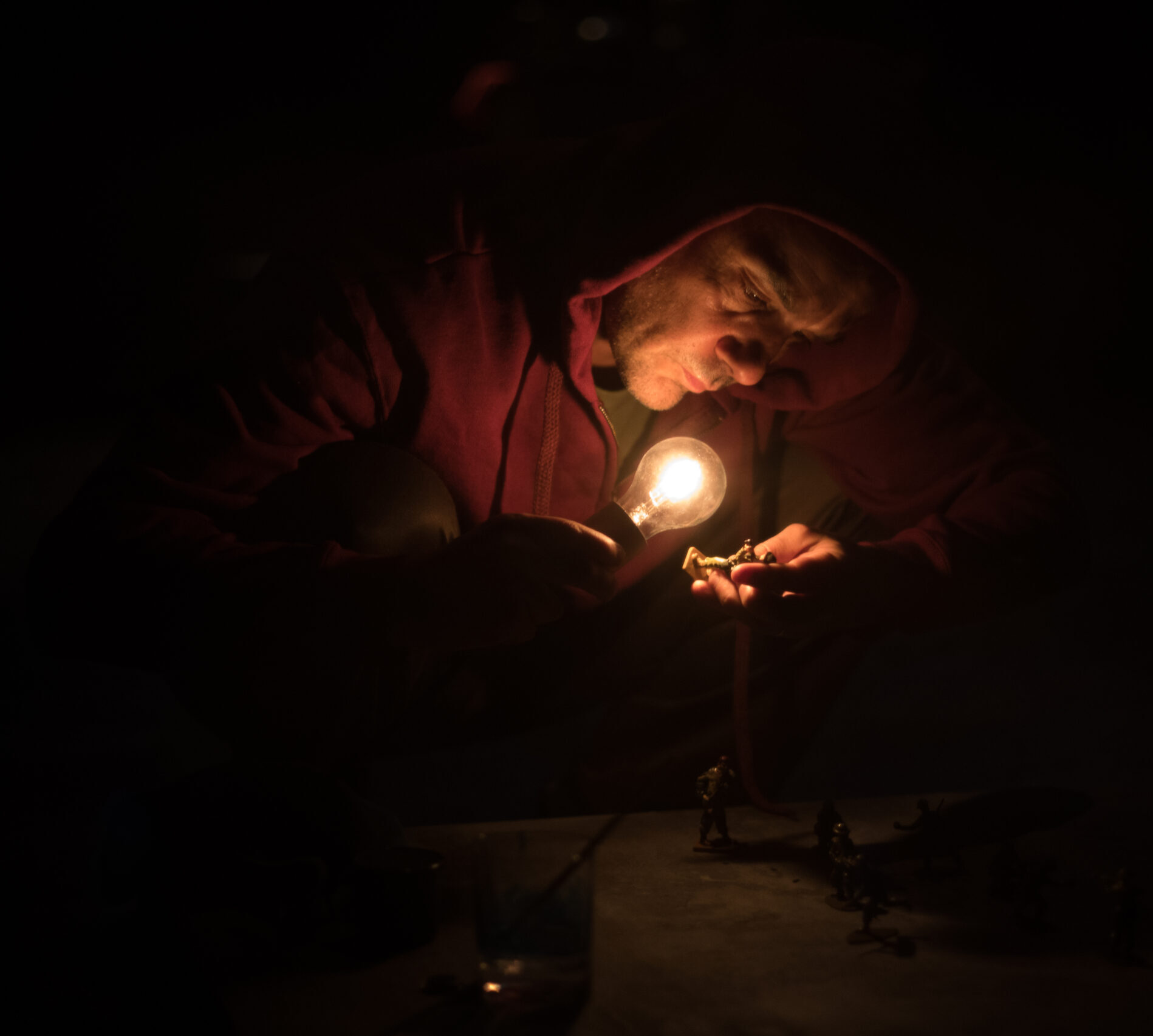
Uccellini
Italian playwright, poet and literary critic Fabrizio Sinisi reflects on the role theatres play in nurturing new writing and sustaining contemporary voices. Drawing on the development of Uccellini, he explores the conditions that allow emerging playwrights to take risks, and the importance of institutions that champion experimentation, collaboration and long-term artistic growth.
Uccellini by Rosalinda Conti is a brand new work by a living Italian author. While in other theatre traditions this might be nothing out of the ordinary, here it’s a rare event: audiences are experiencing these words for the very first time. Uccellini is, in the truest sense of the word, something never before heard.
Its freshness carries a message: from those who create it, those who host it, and especially those who bring it to life on stage. For years, the lacasadargilla company has stayed true to its unwavering passion for contemporary writing: and even if it hadn’t already achieved the critical and public acclaim it enjoys today, this commitment alone would give it a unique cultural edge. The collective – Lisa Ferlazzo Natoli, Alessandro Ferroni, Alice Palazzi, and Maddalena Parise – isn’t just a troupe working on theatre projects and cultural programming; it also serves – quite often – as a platform and incubator for contemporary dramaturgy. From Edward Bond to Roberto Scarpetti, from the twenty-six under-35 authors of Abbecedario per il mondo nuovo to Andrew Bovell, from Olivia Laing to Alice Birch and Caryl Churchill – including, at times, myself. You won’t find classic staples in lacasadargilla’s repertoire: they’re always restlessly exploring the works of living writers, the voices of today, convinced that writing – in its broadest sense – isn’t just about interpretation, but also about discovery, encounter, observation, research, discussion, and experimentation. It’s a space made for risks and connections, for bold moves and down payments and taking chances. Anyone who’s collaborated with lacasadargilla knows there’s no such thing as The Script: the dramatic material is always seen as a messy, collaborative process -never something sacred. Each performance is a checkpoint in a shared journey, a moment when the group hands over the results of their ongoing search through that wild, tricky, and by nature always uncertain and unresolved terrain we call the present. History, as Walter Benjamin wrote, in its rawest, most unrefined form, before it’s polished and organized by those who come after us.
Theatre understands the nature of time. No other art form has such an immediate connection with the present: the stage is where here and now come to life. There’s a certain mystery in a script meeting its audience for the very first time, something magical and almost tribal that can’t be predicted or measured. It’s a gamble – a continual leap toward what’s alive, literally all that lives, all that’s present in its moment, and dares to inhabit it through language. With all the risks and uncertainty that brings. As poet Mark Strand wrote: “The present is always dark. / Its maps are black.”
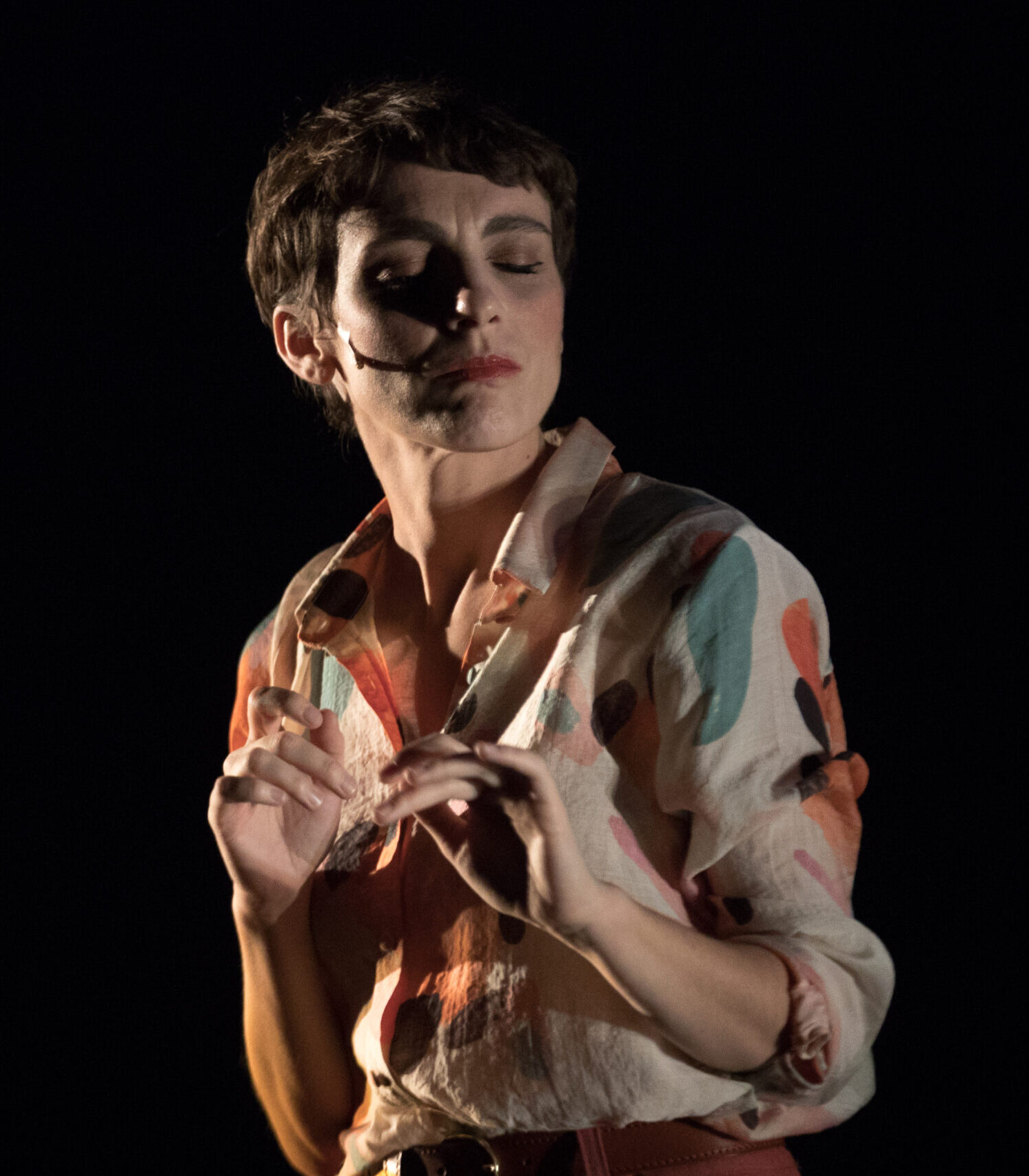
Original work is a risk. The language of an era, as it’s being created – before anyone can define it – is always a bit cryptic, a bit obscure: it has to be sought out, tested, discovered. We move forward like diviners. The present doesn’t have the safety nets that the past enjoys: it hasn’t been filtered by tradition, hasn’t been reviewed by critics, doesn’t have big names to defend its legitimacy before the court of History. The contemporary text stands alone, fighting for its own survival in a Darwinian struggle. Unlike film, playwrights are constantly locked in a battle with the past – where the dead, far from resting quietly and basking in centennial celebrations, compete with the living for market space and the audience’s attention. This is what makes the present feel permanently out of sync. Not every writer is immortal, and not every play ages the same way. Some may fade into oblivion, while others might enter the cycle of revival that we call tradition. Still, in recent years, many European theatre cultures have managed to produce true contemporary classics: Elfriede Jelinek and Peter Handke in Austria; Joël Pommerat and Pascal Rambert in France; Falk Richter, Roland Schimmelpfennig, and Marius von Mayenburg in Germany; Caryl Churchill, Martin Crimp, and Dennis Kelly in Britain; Juan Mayorga and Helena Tornero in Spain, and the list could go on – all the way to Norway’s Jon Fosse, who received the Nobel Prize in Literature for his plays. These are living authors, celebrated and institutionalized at home and abroad – while in Italy, the conversation still rarely moves beyond Eduardo De Filippo, Annibale Ruccello, and Giovanni Testori: all of whom passed away in 1984, 1986, and 1993, respectively. Is it really possible that in over thirty years, not a single new generation of playwrights has emerged with enough impact to be recognized as part of the canon?
Today’s writers may not match the genius of Shakespeare or Chekhov, but compared to the classics, they have an undeniable strength: they’re part of our era and bring a voice that today often lacks. Yet, in many theatres, there’s still a strong belief that public theatre should be like a museum – preserving, maintaining, and occasionally reviving tradition. In fact, that’s what’s happened to opera in many ways: it’s become an art form almost entirely defined by one approach – tirelessly reimagining a couple dozen works from the 1700s and 1800s in modern costumes and sets. People love to say that the classics are “never done saying what they have to say,” but year after year, the present seems to slip away from our stages. Theatre, then, risks losing its true calling: to craft a language that grows alongside history; to create new ways to interpret the present; to give communities fresh stories, characters, and symbols. Is it really the writers’ fault, as many directors claim, or is it a sign of a troubled system that often can’t keep up with the times? Can our country and our language really afford to give up on their own dramaturgy so easily?
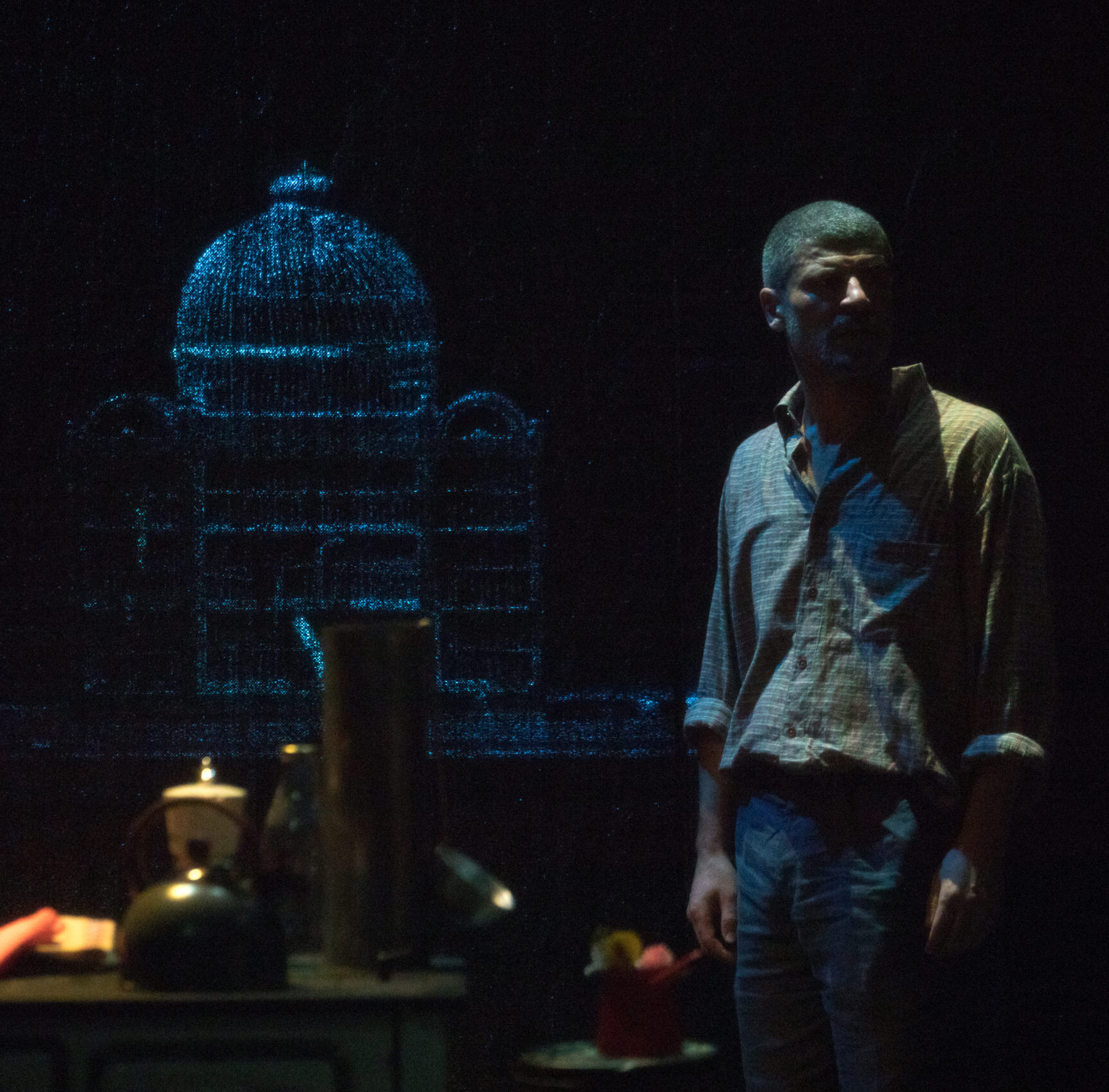
Koltès once wrote – he was a Great Dead Playwright who, not so long ago, was just a Struggling Living Playwright himself: “A director thinks they’re being brave if they stage a contemporary writer among six productions of Shakespeare, Chekhov, Marivaux, or Brecht. But it’s just not true that authors from a hundred, two hundred, or three hundred years ago are telling stories about today; sure, you can draw some parallels, but no, you won’t convince me that Lisetta’s love stories and Arlecchino are current. What would we think of an author who’d be writing, today, stories about page boys and countesses in 18th century castles? I’m the first to look up to Chekhov, Shakespeare, Marivaux and try to learn from them. But, even though our era doesn’t include authors of such greatness, I think it’be better to stage a contemporary writer, with all their flaws, than ten Shakespeare.
No one, especially no director, has the right to say that there are no writers. Certainly, they are not known, because they are not staged, and because today it is considered to be an incredible stroke of luck to be produced under good conditions; whereas it should simply be the bare minimum. How do you expect authors to improve if nothing is asked of them and if
no effort is made to draw the best out of what they do?”
All this comes to mind since Uccellini is a play that talks about this: a silent struggle between the living and the dead. I like to read it this way, studded with hidden metaphors, like a minefield. A battle that never presents itself as such and yet it always is: a daily and metaphysical stalemate at once – a Buzzati-esque fortress planted in a forest. A state of siege; a theatre of war. But a war fought without screams and without gunshots; a war studded with silences, like those fought with ghosts: full of stalemates, voids and concealments. A show in which death demands its space and the living have to fight to keep it; a performance that speaks of the duty to take the place that belongs to the living by right: the principal one, centre stage.