A Hidden Corner of Notting Hill:Discovering Thorpe Lodge
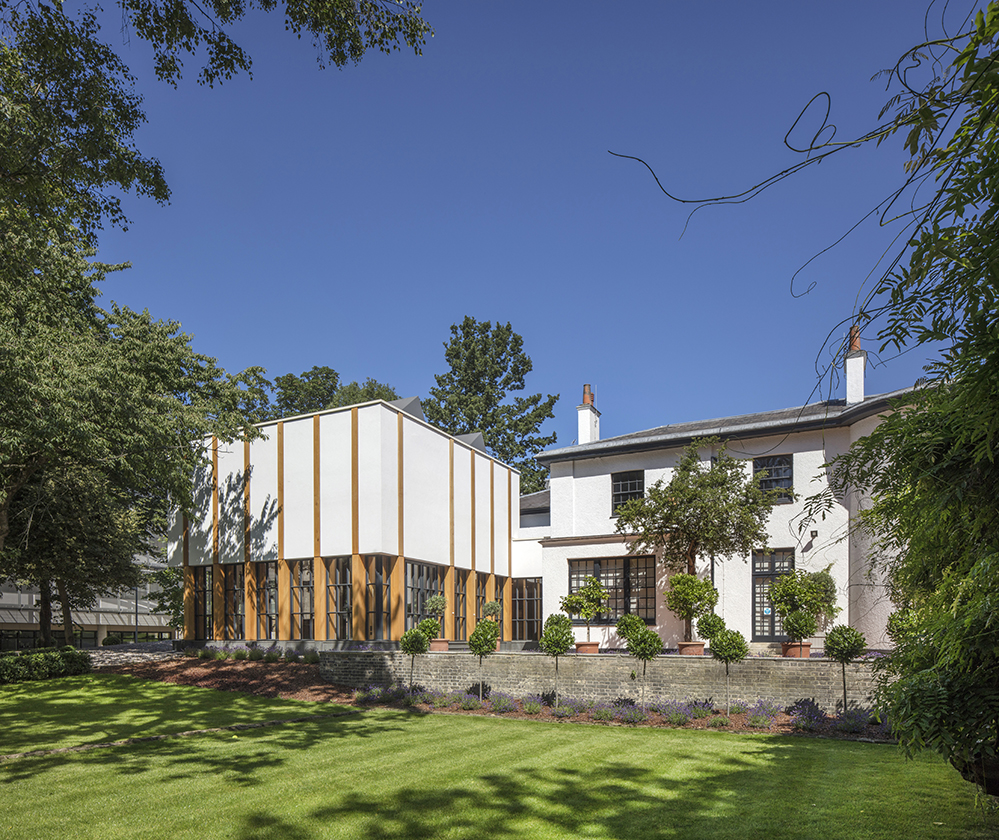
Most visitors to Notting Hill know its colourful terraces, bustling cafés and busy streets. Few realise that tucked away behind Holland Park Avenue lies one of the area’s most remarkable hidden spaces.
For the second half of Searching Blue《寻蓝》, audiences leave The Coronet Theatre and travel together to Thorpe Lodge, a beautiful historic villa set within the grounds of Holland Park School. Usually glimpsed only from afar, the building and its gardens offer a rare opportunity to step away from the city and experience a quieter side of West London.
Thorpe Lodge is the last surviving villa of a group of grand houses built on the Phillimore Estate in the nineteenth century. Over the years it has been home to artists, educators and public figures, each adding to the building’s rich history. More recently, a sensitive restoration by Atomik Architecture has revealed the site’s unique character, reconnecting the historic house with its surrounding landscape and creating a series of spaces that encourage exploration, reflection and creativity.
It is a setting that feels perfectly suited to Searching Blue. Created by Kuik Swee Boon, founder of Singapore’s acclaimed T.H.E Dance Company, the work is inspired by the simple act of paying attention: to the places we move through, the people we encounter and the details that often pass unnoticed in daily life.
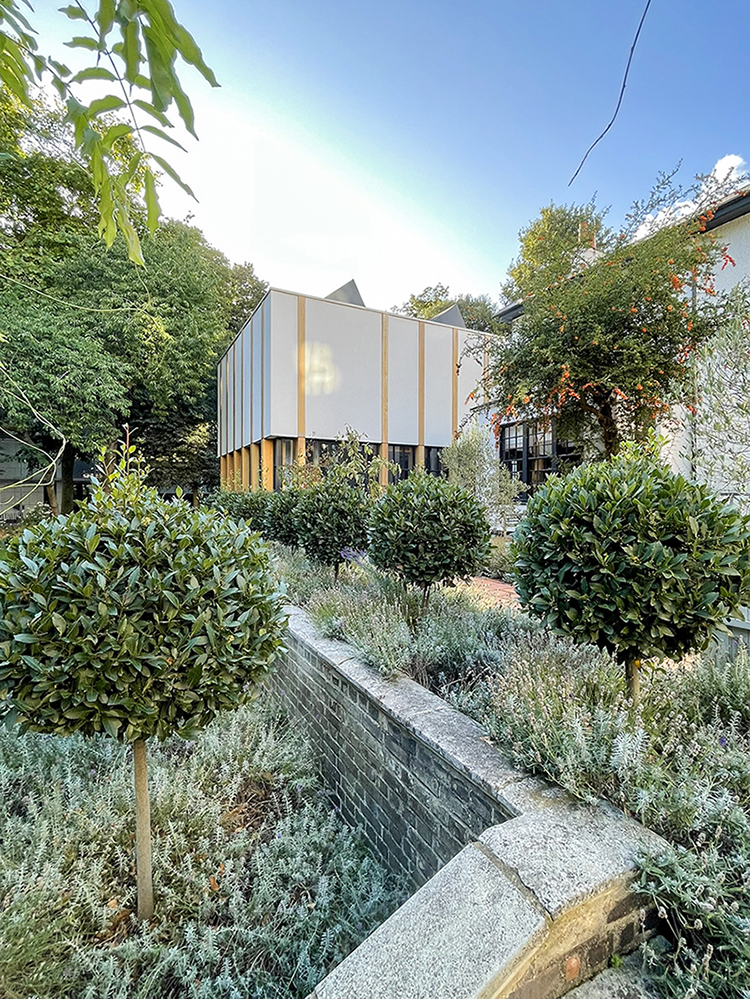


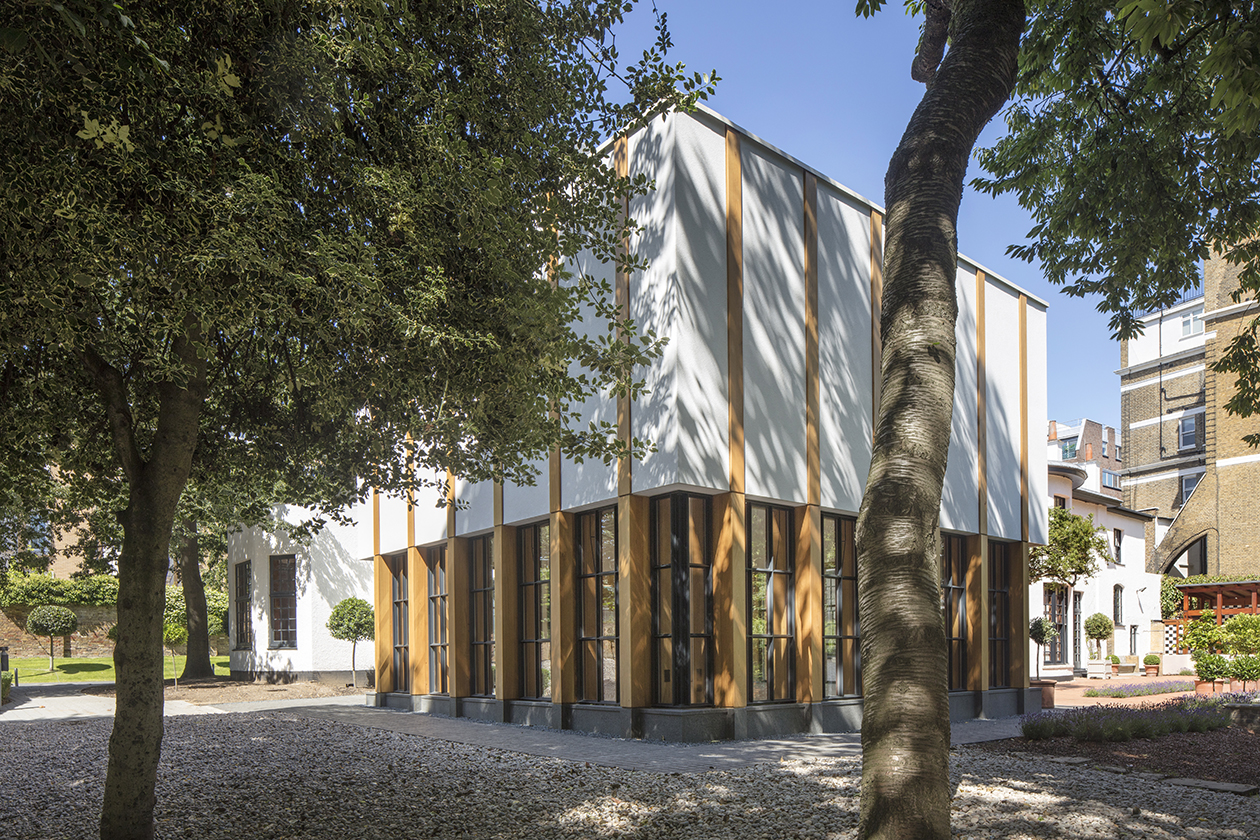
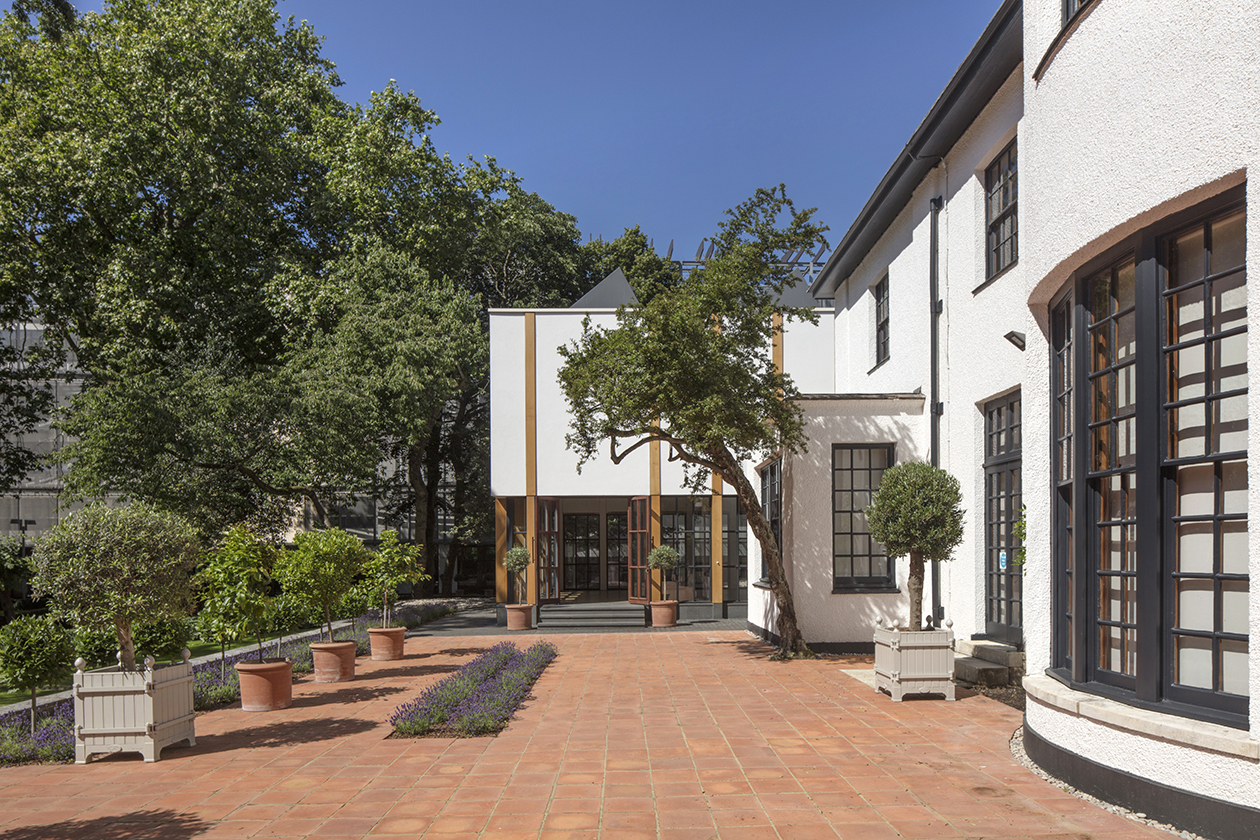
As dancers guide audiences through the grounds of Thorpe Lodge, the site becomes more than a backdrop. Pathways, trees, architecture and open sky all become part of the experience. What might normally be overlooked suddenly comes into focus: the sound of footsteps on gravel, the shifting light between buildings, the presence of others sharing the same journey.
In many ways, Searching Blue mirrors the experience of discovering Thorpe Lodge itself. Both invite us to slow down, look more closely and find something unexpected hidden in plain sight.
For one summer evening, audiences will experience not only an extraordinary performance, but also one of Notting Hill’s best-kept secrets.